WHITE HORSE WISDOM
Equine Assisted Learning & Coaching
If you don't know who you are, how can you know who you want to become?
ABOUT White Horse Wisdom
White Horse Wisdom is equine-assisted coaching for women over 50 who feel the call to reconnect to their soul, their dreams, and their purpose.
Through intuitive guidance, creative structure, and the mirror of horses, you’ll return to your truth, clarify what you want next, and create it with courage.
This is where self-trust comes back online… and your next chapter becomes real.
Imagine living the life you know deep inside your heart is yours to live, yours to create. It is possible. But, to do so you have to understand who you truly are, what's keeping you from getting there, and how to neutralize it.

When working with Monique, you will learn that everything is structural, that 'structure is sexy' and that there is a clear path to working with that structure, to intuitively know what the next step on your journey is, so you can create and realize your dream, no, better yet, your heart's desire.
Monique can coach in person, at your barn or hers, with horses or without., and even long-distance coaching through zoom.
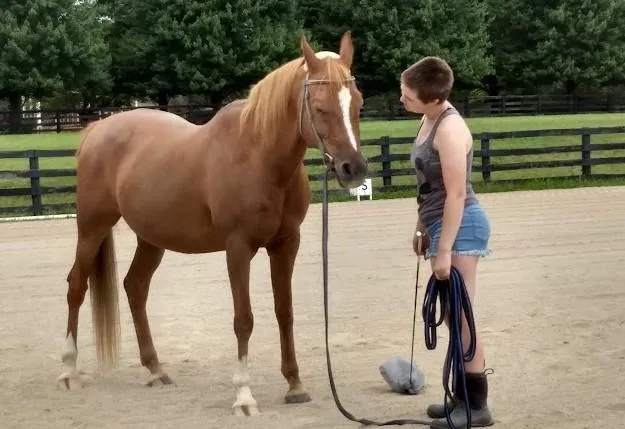
Tell Tale Signs of Pain In Horses
“Let all your actions always be guided by love and responsibility towards your horse.” - Nuno Oliviera
Introduction:
Horses, majestic and stoic by nature, often do not show clear signs of pain, making it a challenge for owners and caretakers to recognize when they are suffering. After all, showing sign of weakness makes them an easy target for predators.
Understanding the subtle cues can be crucial for the timely intervention and management of any underlying issues. This concise guide aims to help equine enthusiasts identify signs of pain in horses, ensuring their well-being and health.
Here are a few signs your horse is in pain:
1. Behavioral Changes
One of the first indicators of discomfort in horses is a change in their behavior. A horse that is usually sociable and easy-going may suddenly become withdrawn or aggressive. Look out for signs such as:
Decreased Appetite: A horse that's in pain might show less interest in food.
Altered Gait: Limping or reluctance to move can indicate pain, especially in the legs or hooves.
Increased Restlessness: Continuous shifting of weight or inability to stand still are signs of discomfort.
2. Physical Signs
Physical signs of pain can sometimes be more evident but require a keen eye to spot:
Elevated Heart Rate: A persistently high heart rate can signal distress.
Sweating: Excessive sweating without a clear cause is another red flag.
Abnormal Posture: A horse trying to relieve pain may adopt unusual stances.
Lying down more than usual: This could be a sign of colic or lameness.
3. Facial Expressions
Horses also express discomfort through their facial expressions. The "pain face" includes:
Flared Nostrils: Not related to physical exertion.
Tight Lips: Indicating tension and unease.
Half-closed or Squinting Eyes: A sign of trying to mitigate pain.
Ears generally pointed back: This can show where the horse's attention is, or just an expression of general malaise.
Squinting or closed eyes: This usually happens when the eye is irritated or is painful.
4. Other Signs
Grinding teeth (Bruxism) and/or excessive drooling: This can be a sign of pain in the mouth, esophagus or other pain. It can also be a sign of anxiety.
Abnormal reaction to grooming, saddle or bit and bridle: This could indicate local pain, stomach ulcers (when girthy), or when the tongue or bars are sensitive. Refusing the bit can have many causes, but when the bit is given and removed gently, and no signs of tenderness are present on the tongue or bars it would be good to have an equine dentist come out.
Conclusion
Recognizing pain in horses is essential for their care and quality of life. By observing changes in behavior, physical signs, and facial expressions, caretakers can identify discomfort and seek veterinary assistance promptly. Awareness and timely action can make a significant difference in managing equine health and ensuring these noble animals lead comfortable lives.
~Monique Myers

Discover
WHITE HORSE WISDOM
Office: 502-383-3374
Call 502-383-3374
Email:whitehorsewisdomcoaching@gmail.com
Site: www.whitehorsewisdom.com