WHITE HORSE WISDOM
Equine Assisted Learning & Coaching
If you don't know who you are, how can you know who you want to become?
ABOUT White Horse Wisdom
White Horse Wisdom is equine-assisted coaching for women over 50 who feel the call to reconnect to their soul, their dreams, and their purpose.
Through intuitive guidance, creative structure, and the mirror of horses, you’ll return to your truth, clarify what you want next, and create it with courage.
This is where self-trust comes back online… and your next chapter becomes real.
Imagine living the life you know deep inside your heart is yours to live, yours to create. It is possible. But, to do so you have to understand who you truly are, what's keeping you from getting there, and how to neutralize it.

When working with Monique, you will learn that everything is structural, that 'structure is sexy' and that there is a clear path to working with that structure, to intuitively know what the next step on your journey is, so you can create and realize your dream, no, better yet, your heart's desire.
Monique can coach in person, at your barn or hers, with horses or without., and even long-distance coaching through zoom.
What Happens When We Touch A Horse
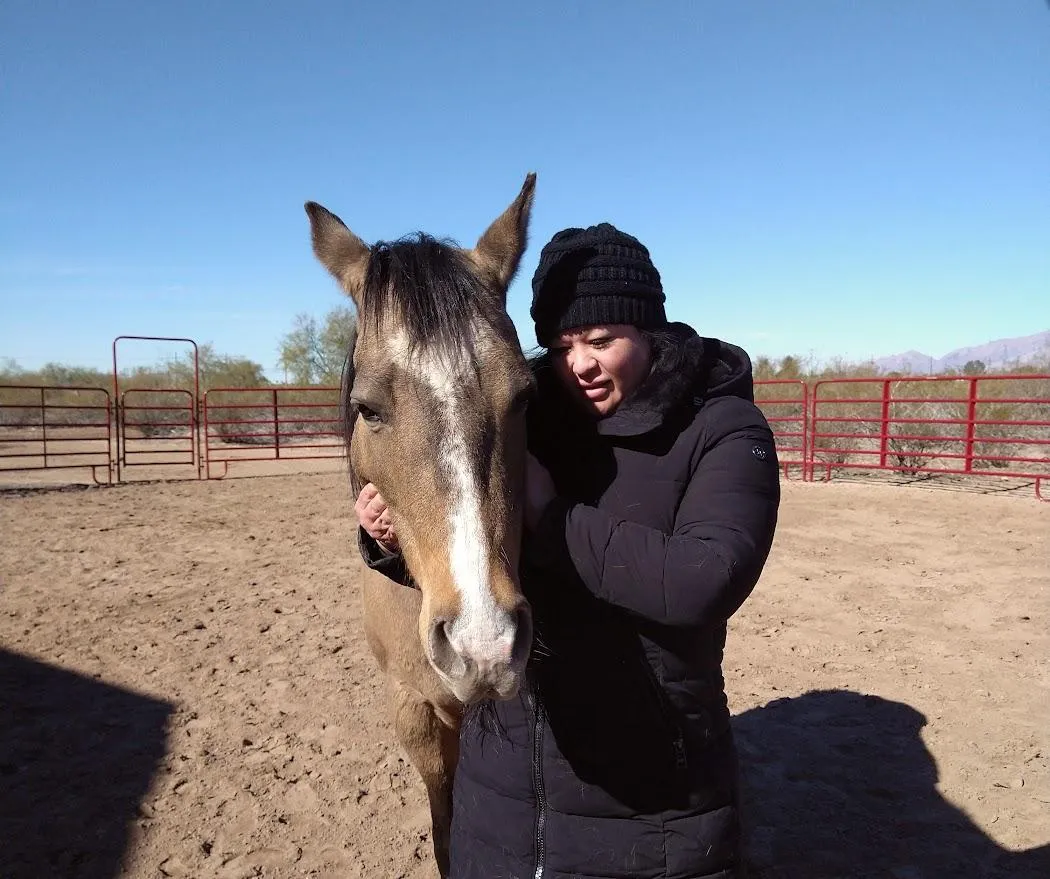
Have you ever been touched by a horse?
You would know it if you had.
Horses have a special gift for us; they freely share their heart and soul. Most people that have been touched by a horse on a deeper level, never forget the experience.
When people can actually touch a horse, it causes amazing physiological changes in their bodies. Changes that most people crave... This is part of why it is SO crucial to go to a farm, and interact with horses, as often as you can. Once you experience the magic of animals and how that can make you feel, you won't want that experience to end. You will just want to keep coming back for more opportunities to be around the animals.
Physical touch can help build relationships by communicating emotions non-verbally. When someone is touched, their brain releases oxytocin, also known as the "bonding hormone," which can make people feel happier and less stressed. Oxytocin can also stimulate the release of other hormones, like dopamine and serotonin, while reducing stress hormones like cortisol and norepinephrine. These neurochemical changes can help people feel less anxious, less depressed, and more resilient to pain.
Here is a little information on what happens:
1. Release of Oxytocin: Similar to human touch, interaction with animals, including touch, can lead to the release of oxytocin in humans. Oxytocin is often referred to as the "love hormone" because it promotes feelings of bonding and calmness. Studies have shown that petting dogs and cats can increase levels of oxytocin in humans, which helps reduce stress and increase feelings of happiness and trust.
2. Reduction in Cortisol: Interacting with animals can also reduce cortisol levels, a hormone associated with stress. The act of touching or petting an animal can have a calming effect, reducing anxiety and potentially lowering blood pressure.
3. Impact on Heart Rate and Blood Pressure: Animal interaction has been observed to lower heart rate and blood pressure, especially in therapeutic settings such as animal-assisted therapy. This effect is similar to the calming effect seen with positive human touch.
Differences from Human Touch:
1. Context and Perception: The context and the nature of the touch significantly influence how it is perceived and its physiological effects. While a compassionate touch from a human is often directly associated with emotional and social support, touch from an animal is more associated with unconditional companionship and non-judgmental interaction.
2. Expectations and Social Norms: Human touch carries various social and cultural meanings and can be complex in terms of personal space and consent. Animal touch is generally free from these social constraints, and for some people, may lead to more straightforward positive emotional and physiological responses.
3. Type of Touch: The type of touch and the species of animal can also affect the physiological response. For example, the feeling of a cat purring on one's lap can be different from a dog nuzzling for attention or a horse nuzzling against one's hand.
Conclusion:
While both animal and human touches can stimulate similar physiological pathways associated with stress reduction and emotional bonding, the contexts, expectations, and perceptions associated with these touches can lead to different emotional and physiological outcomes. Many people find animal touch particularly therapeutic, which has led to the use of animals in therapeutic settings to help individuals with disorders like PTSD, anxiety, and depression.
At Faewood Equestrian, we give you plenty of opportunity to BE with the horses, to interact with them, to love them, and to learn from them.
You can schedule an Introduction Tour here: https://faewoodequestrian.com/

Discover
WHITE HORSE WISDOM
Office: 502-383-3374
Call 502-383-3374
Email:whitehorsewisdomcoaching@gmail.com
Site: www.whitehorsewisdom.com